


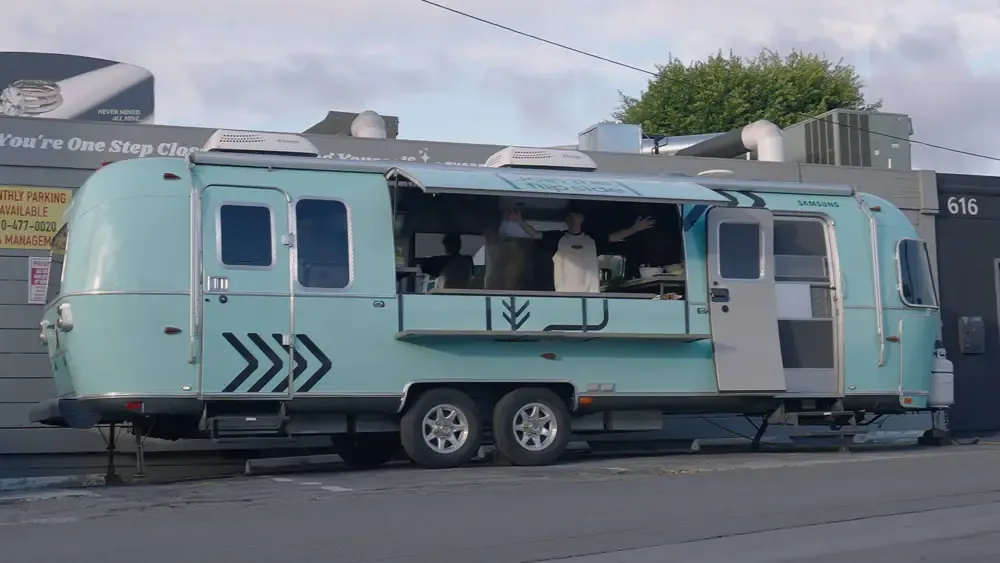
Fleet Graphics: Your Friendly Guide to Vehicle Wraps and Commercial Branding
Fleet graphics turn cars and vans into mobile ads that increase brand visibility and present a professional image. This guide summarizes wrap types, core design rules, material choices, installation basics, and how wraps help your brand be noticed so you can choose the right approach for your fleet.
Fleet Graphics: Your Friendly Guide to Vehicle Wraps and Commercial Branding
- Fleet graphics convert vehicles into mobile advertisements that boost visibility and credibility.
- Full, partial, spot, and temporary wraps suit different budgets and campaign lengths.
- Clear, simple designs with strategic placement read quickly from the road.
- Vinyl types (cast, calendered, specialty) differ in durability and finish.
- Professional installation reduces problems like bubbles and misalignment.
- Wraps reach local customers repeatedly as vehicles move through neighborhoods and business districts.
- Vehicle wraps are often more cost-effective than many traditional ads.
- Choosing the right wrap and care routine extends exposure and preserves a polished fleet look.
Introduction to Fleet Graphics
Fleet graphics place your brand on vehicles to promote services where people live and work. Properly designed wraps attract attention and help customers recognize your business, making them a practical marketing tool for local exposure.
Types of Vehicle Wraps

Wraps vary by coverage and purpose. Choose the type that matches your visibility goals and budget.
Full Vehicle Wraps
Full wraps cover most visible surfaces for maximum impact—ideal for fleets that need strong, consistent branding.
Partial Vehicle Wraps
Partial wraps target key areas (sides, rear) to display logos and contact details while reducing cost and installation time.
Spot Graphics
Spot graphics are small decals that add branding without a full or partial wrap—useful for small fleets or subtle branding.
Temporary Vehicle Graphics
Temporary graphics suit short campaigns or events; they remove cleanly so you can update designs as needed.
After selecting a type, focus on design and installation to ensure effectiveness.
Design Principles
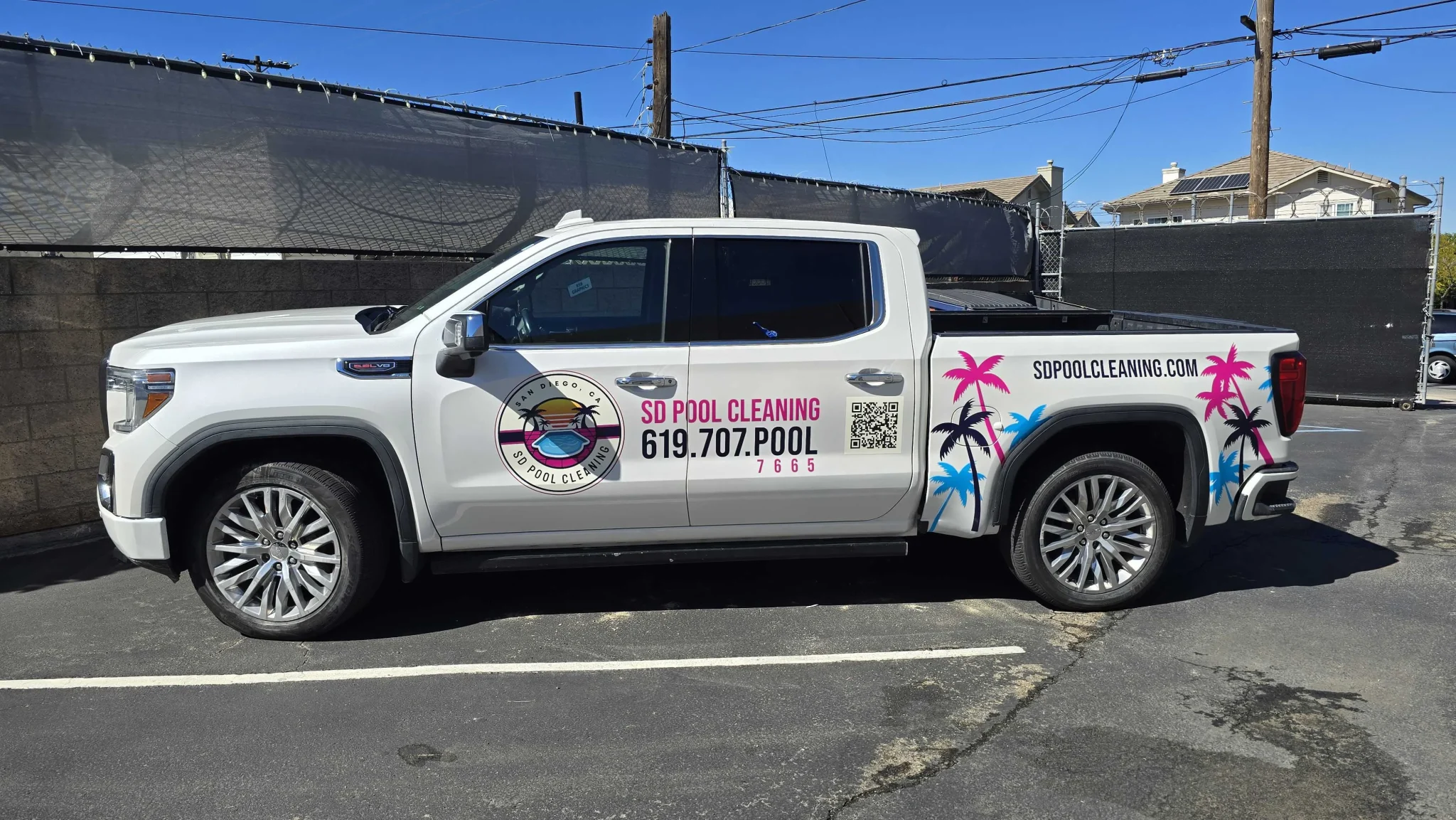
Simple, readable designs work best. Limit text, use high-contrast colors, and place essential info where viewers can see it quickly.
Clarity and Simplicity
Use short headlines, legible fonts, and clear contrast so the message registers in seconds.
Strategic Placement
Sides and the rear are priority areas; make sure phone numbers and website addresses are prominent and unobstructed.
Branding Consistency
Apply the same colors, logo treatment, and tone across all vehicles to reinforce recognition and trust.
858 Graphics uses these principles to create wraps that balance visibility and brand integrity.
Want to explore options for your business? You can “get started” with a consultation.
Material Options
Material affects durability, finish, and cost. Higher-quality vinyl resists weathering and conforms more easily to vehicle contours.
Match vinyl selection to vehicle type, expected exposure, and budget to maintain appearance over time.
If you want to stand out at industry events, “trade show convention graphics” are another way to extend your brand presence.
Installation Processes
Proper preparation and professional application prevent common issues like bubbles, wrinkles, and misalignment. Trained installers also ensure wraps conform to seams and hardware correctly.
Consider pairing vehicle graphics with improved storefront presentation; see “storefront building signage” for cohesive branding.
Impact on Brand Visibility
Fleet graphics provide frequent, local impressions as vehicles move through neighborhoods and commercial areas. The repeated exposure builds recognition and conveys a professional image.
Additionally, “vehicle wraps” often deliver a lower cost per impression than many traditional advertising channels.
Choosing the right wrap type, quality materials, and professional installation helps maximize visibility while protecting your investment.
Frequently Asked Questions
What are the benefits of using fleet graphics for small businesses?
They offer ongoing local exposure at a relatively low cost, create a professional appearance, and help build recognition where your vehicles operate most.
How long do vehicle wraps typically last?
Longevity depends on vinyl type, climate, and care. Expect roughly 7–10 years for cast vinyl, 3–5 years for calendered, and 5–7 years for many specialty films.
Can vehicle wraps be removed easily?
Yes—professionally installed, quality wraps are designed to remove without damaging paint. Older or poorly maintained wraps may require more care during removal.
What is the cost range for vehicle wraps?
Costs vary by wrap type, vehicle size, and design. Full wraps typically cost more than partial or spot graphics—get multiple quotes to compare options.
How do I maintain my vehicle wrap?
Clean with mild soap and water, avoid abrasive tools and harsh chemicals, limit prolonged sun exposure when possible, and inspect regularly for damage.
Are there any restrictions on vehicle wraps in certain areas?
Local rules can affect size, placement, or content. Check ordinances or consult a local professional before applying graphics to avoid violations.
What design software is commonly used for creating vehicle wraps?
Designers commonly use vector programs like Adobe Illustrator and CorelDRAW; some also use wrap-specific templates to ensure accurate scaling and fit.