


Understanding How Installation Services Influence Your Display’s Final Pricing: A Comprehensive Guide
Installation services significantly affect the final cost of display graphics. This guide outlines the main cost drivers—professional installers, site surveys, material selection, custom sizing, and project management—and how labor and venue rules shape pricing, with local considerations for busy markets like San Diego.
Key Takeaways
- Professional installation ensures efficient setup, reducing errors and labor costs for display graphics projects.
- Conducting thorough site surveys helps identify obstacles and accurately estimate installation expenses.
- Material selection directly affects installation complexity, durability, and overall display pricing.
- Custom sizing and coordinated production schedules minimize costly errors and project delays.
- Effective project management aligns installation timelines and budgets, preventing overruns and disruptions.
- Labor costs vary by skill level, impacting precision and potential installation errors.
- Venue requirements and local regulations influence installation methods and associated costs.
- Local installers provide expertise on venue logistics and regulations, simplifying installation processes.
- Choosing appropriate display types, such as fabric structures versus truss or backlit signage, affects installation difficulty and pricing.
Professional Installation
Hiring experienced installers reduces mistakes, improves safety, and typically shortens set-up time—lowering total labor charges while protecting your brand presentation. For examples of specialist services, see trade show graphic installations.
Site Surveys

Accurate site surveys reveal obstacles and true dimensions so crews bring the right gear and estimate labor correctly, avoiding costly surprises during setup.
Material Selection
Material choices affect cost, handling, and longevity: lighter fabrics usually cost less to ship and install, while truss and backlit systems add assembly and electrical complexity. Choose materials that match your budget and intended reuse.
To show how material choice changes costs and setup, here’s a quick comparison:
Material selection balances cost, durability, and visual impact—important for projects including interior graphic installations.
Custom Sizing and Production Coordination
Custom sizing adds value but increases risk if measurements or schedules slip; tight coordination between production and installation reduces rework, delays, and extra labor.
Project Management
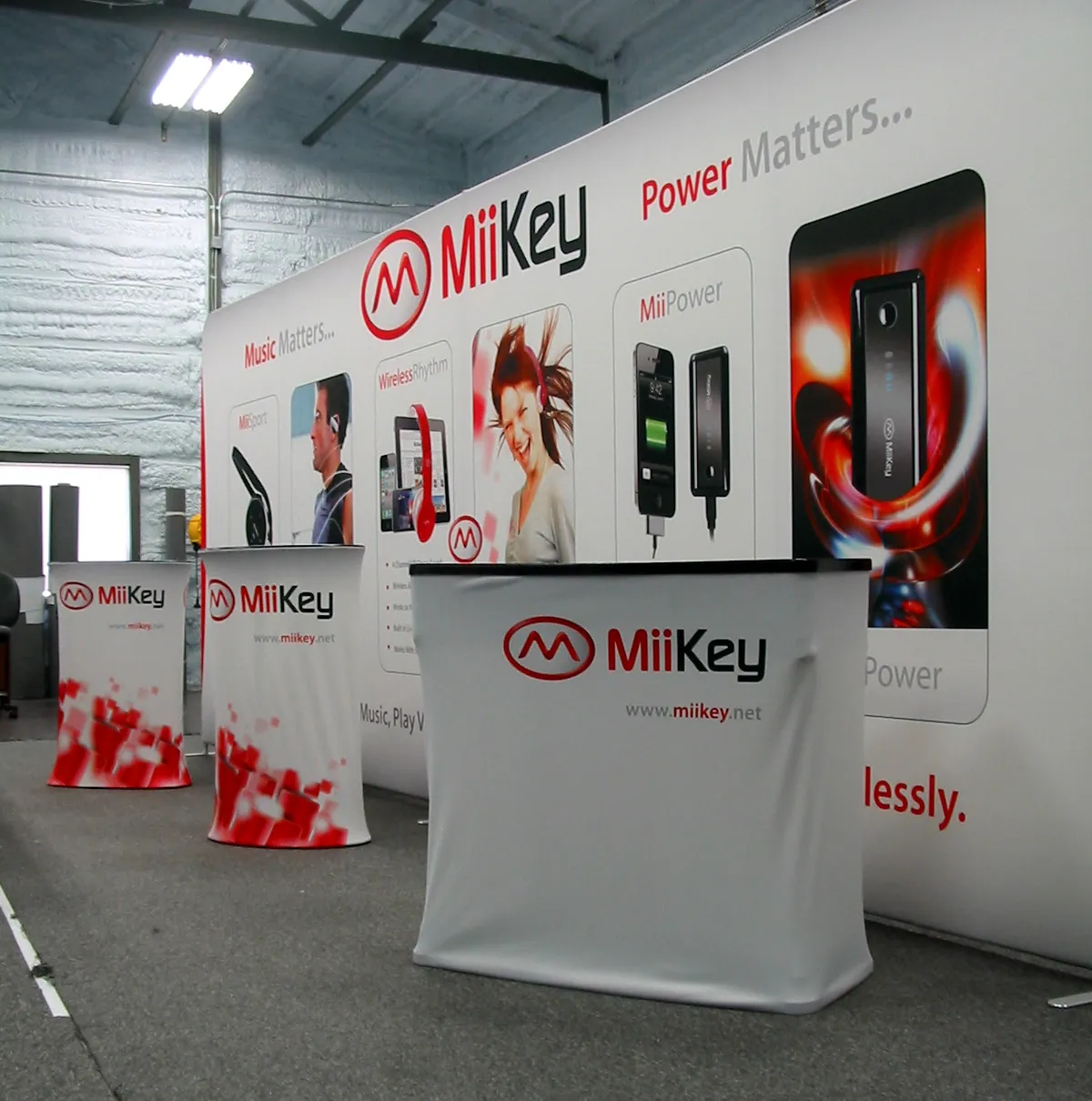
Strong project management keeps timelines, vendors, and installers aligned, preventing overruns and on-site issues. For end-to-end support, consider providers with clear initiation-to-completion workflows like project initiation.
Final Presentation
A precise installation improves visual impact, brand visibility, and client satisfaction; the right combination of planning, installation skill, and materials determines the display’s success.
What Are the Key Installation Costs Affecting Display Setup Pricing?
Primary cost drivers are labor, materials, and venue-specific requirements; understanding each helps you build a realistic budget and choose the most cost-effective options.
How Does Labor Influence Exhibit Installation Cost Breakdown?
Skilled labor raises hourly rates but reduces errors and rework; lower-skilled crews might cut upfront costs but increase the risk of delays or poor outcomes.
Which Material Choices Impact Installation Expenses Most?
Premium materials (for example, high-grade backlit signage) raise initial cost but improve visibility and longevity, while cheaper options may incur replacement costs sooner.
How Do Venue Requirements and Local Regulations Affect Sign Installation Pricing?
Venue rules, permits, and safety standards can mandate specific materials or methods and add labor or inspection fees—factor these into your estimates early.
What Venue Rules Should You Know Before Installation?
Confirm permit needs, safety guidelines, and venue restrictions in advance to avoid last-minute changes that increase time and cost.
Why Does San Diego’s Convention Scene Matter for Your Installation Budget?
High seasonal demand and local venue rules in markets like San Diego can raise labor rates and add logistical constraints—budget accordingly for peak periods.
What Makes Product-Specific Installation Pricing Unique for Trade Show Graphics?
Each display type—fabric, truss, backlit—requires specific skills, tools, and time; knowing those differences helps you estimate costs and choose the right format.
How Are Fabric Event Structures Installed and Priced Differently?
Fabric structures are generally lighter, transport-friendly, and faster to install, often making them a cost-effective option for many exhibits.
Why Do Truss Displays and Backlit Signage Affect Costs Differently?
Truss systems need precise assembly; backlit signage adds electrical work—both increase labor and coordination versus simple fabric solutions.
How Can a Trusted Local Installer Simplify Your Installation and Pricing Experience?
Local installers know venue logistics and common constraints, which streamlines planning, avoids surprises, and can save time on install day.
What Benefits Does 858 Graphics Offer for Stress-Free Setup?
858 Graphics provides in-house management and tailored solutions, often delivering faster turnarounds and clearer communication through the project lifecycle.
How Does Expert Guidance on Materials and Logistics Save You Money?
Expert advice helps select durable, cost-effective materials and avoids logistics pitfalls, reducing the chance of costly mistakes and extending your budget.
Frequently Asked Questions
1. What should I consider when choosing an installation service for my display?
Evaluate experience with similar venues, proof of past projects, local rules knowledge, available materials, and project management capabilities to ensure a safe, effective setup.
2. How can site surveys improve my display’s installation process?
Surveys capture exact dimensions and obstacles so crews plan accurately, preventing last-minute fixes and added costs.
3. What are the benefits of custom sizing for display graphics?
Custom sizing ensures a precise fit, reduces wasted materials, and helps align production with installation schedules for smoother execution.
4. Why is effective project management crucial for installations?
Project management coordinates installers, planners, and vendors, anticipates issues, and keeps timelines and budgets on track, reducing disruptions.
5. How do I assess the quality of materials for my display graphics?
Compare durability, appearance, and installability; weigh upfront cost against expected lifetime and impact to choose the best value.
6. What installation challenges are common for trade shows?
Tight schedules, heavy foot traffic, and strict venue rules require adaptable crews and careful planning to avoid delays.
7. What role does local knowledge play in the installation process?
Local knowledge covers venue rules and logistical hurdles, enabling installers to anticipate problems and manage on-site challenges efficiently.